
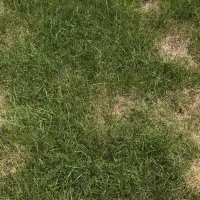
Bare spots are one of the most common spring lawn problems in the South. Unlimited Lawn Care™ breaks down what causes them and how to fix them for good.
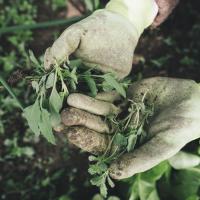
This guide explains how pre-emergent herbicides work and when to apply them to prevent spring weeds like crabgrass before they germinate.
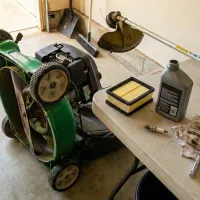
Every spring, homeowners across Georgia, Alabama, and South Carolina pull their mowers out of storage, crank them up, and head straight for the lawn—only to find uneven cuts, rough-looking grass, and an engine that sputters or stalls. The problem usually isn't the lawn. It's the equipment.
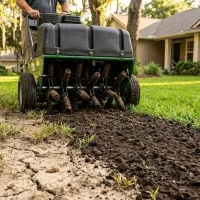
This guide explains soil compaction, a hidden problem damaging lawns across Georgia, Alabama, and South Carolina. It explains to homeowners how to identify symptoms such as water pooling and thin grass, understand the root causes, and restore lawn health through professional core aeration.
This blog explains why fertilizing warm-season lawns too early in Alabama, Georgia, and South Carolina can weaken roots and invite weeds, and shows how to time spring applications for real growth and lasting color. It also shares simple prevention tips and clear guidance on when to call a local lawn care professional for a customized fertilization plan.
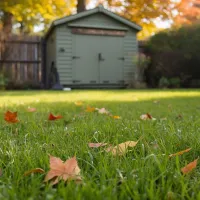
Winter lawn planning helps homeowners prepare their equipment, schedule crucial spring services, and strategically plan turf and landscape renovations to ensure a lush, healthy yard come spring.
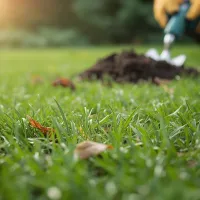
Winter is the best time to test and amend lawn soil for a healthier spring. Follow expert tips for soil sampling, results interpretation, and amendments to strengthen turf roots.
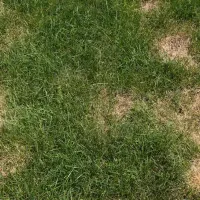
This blog offers homeowners in the Southeast essential guidance on identifying, treating, and preventing winter lawn fungus. It combines expert-backed advice on early symptom recognition, cultural lawn care, fungicide use, and when to seek professional help.
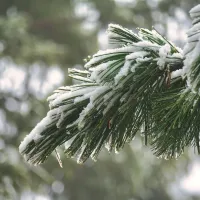
In this blog, learn how to protect your evergreens through winter with tips on proper watering, mulching, pruning, and professional care for Southern landscapes.

Discover eco-friendly fall leaf management strategies for Southern lawns—mulching, composting, or removal—for a healthier yard without the DIY hassle.
Give your lawn what it needs before winter sets in. Learn why fall fertilization matters, when to apply it in the South, and how to pair it with other key lawn care tasks for healthier turf in spring.
Want green grass all winter long? Learn how ryegrass overseeding keeps Southern lawns looking fresh through the colder months. Get timing, prep, and care tips for Georgia, South Carolina, and Alabama.
As summer fades, many Southern homeowners stop thinking about weeds, but fall is one of the most important times to act. While the temperatures cool, winter weeds are just getting started below the surface.
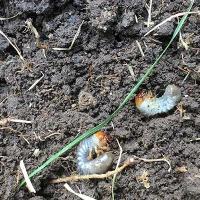
Grubs and Japanese beetles can be a serious threat to Southern lawns, but the right approach at the right time can keep your yard in good shape through summer and beyond. If you’re unsure where to start or need help applying treatments safely and effectively, we can help!
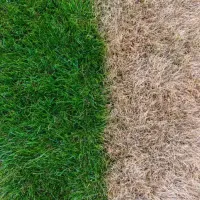
Between scorching temperatures, rising humidity, and the occasional thunderstorm, lawns in the Southeast face many challenges. Grass that once looked thick and green in early summer can quickly fade without the right upkeep. Learn how to shift your lawn care strategy as the season winds down.


