
Bare Spots in Your Lawn: Causes, Prevention, and Spring Repair Strategies
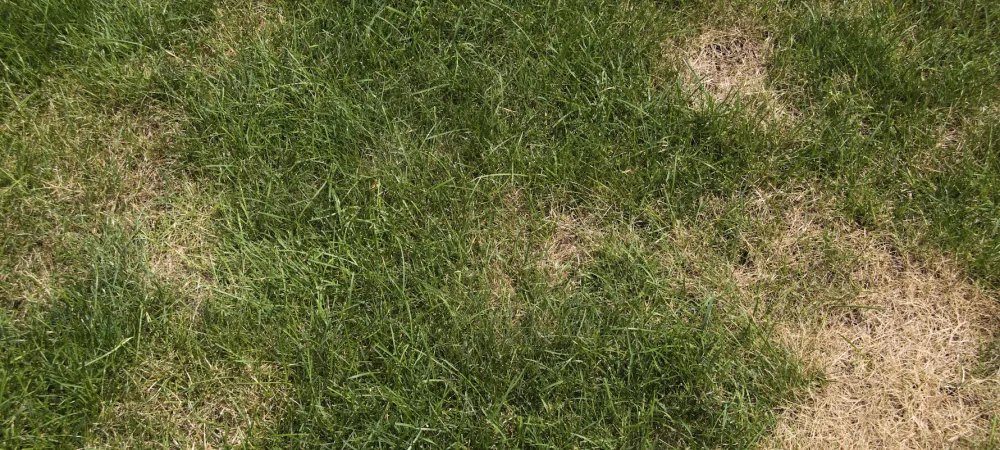
Few things are more frustrating than stepping outside in spring and finding patches of bare, brown dirt scattered across what should be a full, green lawn. Whether you have a small problem area near the driveway or several dead zones that grew through winter, bare spots are one of the most common calls we get this time of year. The good news: most can be repaired, and with the right approach, they often do not come back. This guide walks you through the root causes, the best repair strategies for lawns here in the South, and what you can do to keep those patches from forming again.
Quick Answer: What Causes Bare Spots in a Lawn?
Bare spots in lawns are usually caused by soil compaction, lawn disease, pest damage, dog urine, heavy foot traffic, or shade stress. In the Southeast, spring dead spot disease and grub activity are two leading culprits in bermudagrass and warm-season lawns. Repairing bare spots requires identifying the cause first, then using the right method, whether that is seeding, sodding, or plugging, timed to your grass type's active growing season.
3 Things Every Southern Homeowner Should Know
- Timing matters more than technique. Warm-season grasses like bermuda, zoysia, and centipede repair best when soil temperatures are consistently above 65°F, typically late spring here in Georgia, Alabama, and South Carolina.
- Treating the symptom without fixing the cause means the bare spot comes back. Compaction, drainage issues, disease, and pest pressure must be addressed before reseeding or sodding.
- Small spots can fill in on their own. Bermudagrass and zoysia spread by stolons and can recover from minor bare patches when the surrounding turf is healthy and the growing conditions are right.
Why Does Your Lawn Have Bare Spots? The Most Common Causes in the South
Before you throw seed or lay sod, it is worth spending a few minutes figuring out what actually killed the grass. In our experience, homeowners who skip this step often end up with the same bare patch a season later. The Southeast's heat, humidity, and clay-heavy soils create a unique set of stressors that contribute to patchy, thin turf.
Soil compaction is one of the most overlooked causes, especially in yards with heavy clay content. When soil is too dense, grass roots cannot penetrate deep enough to access water and nutrients, and the turf thins over time. High-traffic areas are especially prone, from kids' play zones to paths between the driveway and the door. If you want to understand this better, our post on soil compaction and how it damages Southern lawns breaks it down in detail.
Lawn disease is another major cause in our region. Spring dead spot is particularly destructive in bermudagrass lawns. According to Clemson Cooperative Extension, spring dead spot appears in spring as bleached-out patches that can range from six inches to several feet in diameter, caused by soil-dwelling fungi that damage roots, rhizomes, and stolons during cooler fall and winter soil temperatures (Clemson HGIC, "Spring Dead Spot"). These patches often go unnoticed until the rest of the lawn greens up and makes the dead zones visible. For a broader look at how lawn disease leads to bare and discolored turf, check out our guide on identifying and treating lawn fungus in the Southeast.
Insect damage is another culprit that works from below the surface. Grubs feed on grass roots just below the soil line, weakening turf until it lifts like a loose carpet. By the time you notice the bare patch, the damage has already been done. If you have had issues with grubs or armyworms in the past, our post on protecting your lawn from grubs and Japanese beetles covers how to identify and treat the problem before it creates recurring dead zones.
Other common causes include dog urine, which creates nitrogen burn spots with a characteristic yellow ring and green outer edge; chemical spills from fuel, fertilizer, or herbicide; drainage issues that leave soil waterlogged; and shade stress, where grass struggles to survive under dense tree canopies. Mowing more than one-third of the blade at once can also cause grass to die back and open the door for bare spots and weed invasion, as the University of Georgia Cooperative Extension notes in their guidance on healthy home lawn care (UGA Extension, "Ten Steps to a Healthier Home Lawn").
How to Repair Bare Spots in Warm-Season Lawns This Spring
Spring is the right time to tackle bare spots in Georgia, Alabama, and South Carolina, but only once soil temperatures are consistently warm. Clemson's lawn renovation guidance is clear: warm-season turfgrasses are best renovated in spring or early summer, from April through June, because fall renovation of warm-season grasses often results in turf damage from winter injury (Clemson HGIC, "Lawn Renovation"). Resist the urge to plant during the last cold snaps of March.
Here is how to approach the repair correctly:
- Identify and address the underlying cause. If disease, compaction, poor drainage, or pests caused the bare spot, fix that first. Laying new sod over a drainage problem or an active grub infestation will not hold. Your local extension office can help with soil tests, or you can reference our post on soil testing and how to set your lawn up for success.
- Prepare the area. Rake out dead grass and debris down to bare soil. Loosen the top inch or two of soil to improve seed-to-soil contact. If the area is compacted, this is a good time for targeted core aeration, which breaks up dense soil and creates channels for roots, water, and nutrients to move freely. Our lawn aeration and seeding services handle this step professionally across Georgia, Alabama, and South Carolina.
- Choose the right repair method for your grass type. Bermudagrass and common zoysia can be reseeded, but hybrid varieties of both are sterile and must be repaired with sod, plugs, or sprigs. Centipede and St. Augustine spread by surface runners and are best repaired with plugs or sod pieces. Clemson Extension recommends replanting large bare areas in bermudagrass and zoysiagrass in May using sod, plugs, or sprigs (Clemson HGIC, "Bermudagrass Yearly Maintenance Program"). Tall fescue lawns, common in the cooler upstate areas of Georgia, are reseeded in early fall rather than spring.
- Seed or sod the area and firm it in. Roll or tamp the repair area to ensure good contact between new material and the soil. Loose contact is one of the most common reasons repair attempts fail.
- Water consistently until established. New seed and sod need consistent moisture, typically daily light watering for the first two weeks, then transitioning to deeper, less frequent irrigation as the roots establish. Avoid letting the soil dry out completely during this window.
- Hold off on fertilizing too early. Wait until the repaired area shows active growth before feeding. Applying nitrogen to dormant or barely-rooted turf wastes product and can cause burn. For guidance on when and how to feed new growth, see our post on spring fertilization timing for Southern lawns.
Seeding vs. Sodding vs. Plugging: Which Method Is Right for Your Lawn?
The best repair method depends on the size of the bare area, your grass type, and how quickly you need results. Each approach has its place, and we have seen all three work well in the right situation.
Seeding is the most affordable option and works well for smaller bare spots in bermudagrass and certain zoysia varieties. It does require patience, as seed germination and establishment take several weeks. Seed also requires good soil contact and consistent moisture to germinate reliably. If you have hybrid bermudagrass or hybrid zoysia, seeding will not replicate the original variety because those cultivars are sterile.
Sodding gives you instant coverage and works for any warm-season grass type. It costs more but significantly reduces the window of vulnerability between bare soil and established turf. This matters in the South, where bare soil is quickly colonized by weeds. Sod is the recommended choice for larger areas, slopes where erosion is a concern, and high-visibility parts of the front yard.
Plugging is a middle-ground option that works especially well for centipede, St. Augustine, and zoysia. Plugs are cut from established sod and planted on 6- to 12-inch centers across the bare area. The closer you plant them, the faster they fill in. This method costs less than full sod but takes longer to achieve complete coverage.
Prevention: How to Stop Bare Spots Before They Start
You and I both know that repairing a bare spot is more work than preventing it in the first place. These habits make a measurable difference in keeping Southern lawns full and uniform:
- Mow at the correct height for your grass type and never remove more than one-third of the blade in a single mowing. Scalping opens the turf canopy to weeds and disease pressure.
- Water deeply and infrequently rather than shallow and daily. Deep watering encourages roots to grow down rather than staying near the surface, where they are vulnerable to heat and drought stress.
- Aerate annually to relieve soil compaction. Core aeration is one of the single most impactful things you can do for long-term turf density, particularly in clay soils common across Georgia and Alabama.
- Manage thatch. A thatch layer thicker than half an inch restricts water and nutrient movement and creates the damp, stagnant conditions that lawn disease thrives in.
- Rotate foot traffic patterns when possible, especially in high-use yards with children and pets. Worn paths from repetitive traffic compact soil faster than almost anything else.
- Flush dog urine spots immediately with water. Diluting the nitrogen concentration quickly reduces the chance of burn.
- Monitor for pest activity in midsummer when grub and armyworm pressure peaks. Catching infestations early dramatically reduces the amount of turf damage you have to repair in the fall and spring.
When to Call a Lawn Care Professional
Some bare spot situations call for professional help, and trying to push through them with DIY fixes usually leads to wasted time and money. We have seen the same scenarios come up over and over.
If your bare spots keep coming back in the same locations season after season, that is a sign of a persistent underlying problem, whether it is a drainage issue, a recurring fungal disease, nematode pressure, or compaction that surface-level repairs cannot fix. If the dead zones show signs of disease, such as irregular margins, discoloration in the surrounding turf, or cobweb-like growth, the area may need professional lawn disease treatment before any repair will hold. And if the damage is widespread, covering hundreds of square feet or more, a professional assessment will help you choose the most cost-effective renovation approach rather than spending on sod that may fail without addressing root causes.
Timing also matters. Professionals can monitor soil temperatures and match repair timing precisely to your grass type's optimal establishment window, which makes a real difference in whether repairs take hold the first time.
Get a Healthy, Full Lawn This Spring
Bare spots are one of the most fixable lawn problems out there, but only when you know what caused them and match the repair to your specific grass type and conditions. Unlimited Lawn Care™ has been helping homeowners across Georgia, Alabama, and South Carolina restore full, healthy lawns for 28 years. From professional core aeration to targeted lawn renovation and fertilization programs, we have the services and the local expertise to get your turf looking its best.
Ready to get started? Request a free quote online or call us at 678-325-7255 to speak with a lawn care professional today.
Sources
University of Georgia Cooperative Extension. "Ten Steps to a Healthier Home Lawn." UGA Extension, 1 July 2024, extension.uga.edu/publications/detail.html?number=C1009&title=ten-steps-to-a-healthier-home-lawn.
Clemson Cooperative Extension Home & Garden Information Center. "Lawn Renovation." Clemson HGIC, 12 Dec. 2024, hgic.clemson.edu/factsheet/lawn-renovation/.
Clemson Cooperative Extension Home & Garden Information Center. "Spring Dead Spot." Clemson HGIC, 28 Aug. 2025, hgic.clemson.edu/factsheet/spring-dead-spot/.