
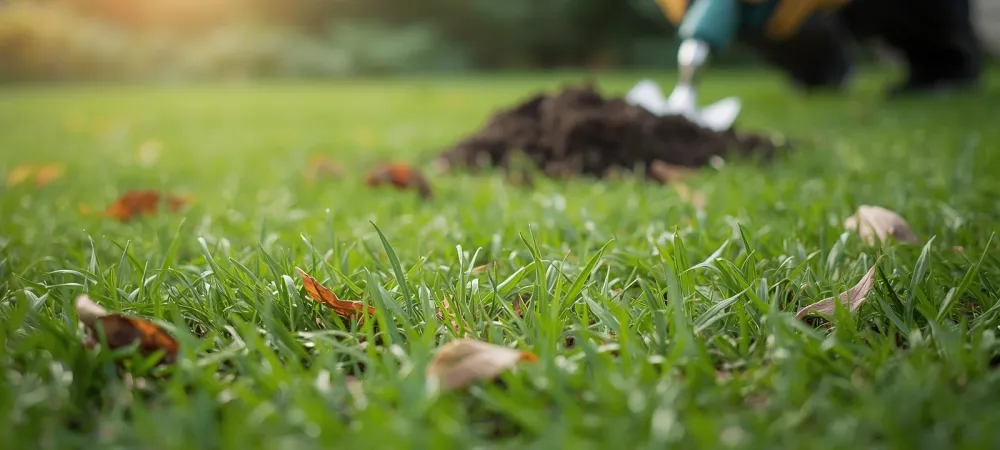
Soil Testing in Winter & How to Set Your Lawn Up for Success in the Spring
Winter is an excellent time to prepare your lawn for vigorous spring growth. While turfgrass is dormant, this period allows homeowners to thoroughly test their soil and address any nutrient or pH imbalances that may exist. Taking these steps in winter provides a strong foundation for healthy roots and lush spring lawns. This guide covers how to sample your soil correctly, interpret soil test reports, and apply amendments like lime and fertilizer to ensure your lawn thrives.
The Quick Answer
Collect soil samples during the dormant winter months, send them to a laboratory for testing, and use the results to adjust soil pH and nutrient levels with lime and fertilizer. This sets your lawn up for optimal root development and green growth when spring arrives.
Why Winter Soil Testing Matters
Testing soil in winter delivers a crucial advantage: ample time for amendments to react fully prior to the active growing season. The University of Delaware Extension advises homeowners to perform annual soil tests ideally in late fall or winter when the soil is still workable. This timing allows amendments such as lime, which takes several months to effectively raise pH, to do their job before spring growth begins. Fall and winter testing simplifies fertilizer management plans and eases the workload during spring lawn preparations. These proactive steps enhance nutrient uptake, promote stronger turf roots, and mitigate future weed and disease issues.
How to Collect Soil Samples Correctly
To obtain accurate soil test results, the collection process must be done properly:
- Use a clean soil probe or a spade.
- Select 10-15 locations randomly across your lawn, avoiding recently fertilized areas, heavily trafficked areas, and frozen areas.
- Dig or probe about 4 inches deep to collect soil cores.
- Remove grass, roots, and debris from samples to avoid contamination.
- Place all cores into a clean container or bucket to mix them evenly, creating a composite sample that represents your lawn’s average soil condition.
- Air-dry samples if moist before packaging.
- Label each sample clearly with location and date for future reference or trend tracking.
- Submit samples to an accredited soil testing laboratory, accompanied by the proper submission forms, for lawn-specific analysis.
Interpreting Soil Test Results
Understanding your soil test results is critical to making informed decisions for the health of your lawn. The report typically includes important information such as soil pH and levels of essential nutrients like nitrogen, phosphorus, and potassium, all of which influence turf growth in different ways.
- Soil pH: This measures the acidity or alkalinity of your soil, with most turfgrasses thriving in a pH range of approximately 6.0 to 7.0. The availability of nutrients strongly depends on the pH level; if the soil is too acidic, essential nutrients become less available, and if it is too alkaline, others may be locked away from the roots.
- Nitrogen (N): Nitrogen supports lush, green leaf growth and overall vigor, but is best applied when the grass is actively growing in spring to prevent damage to dormant turf.
- Phosphorus (P) and Potassium (K): These nutrients play crucial roles in strengthening roots and increasing the lawn’s resistance to stresses such as drought, disease, and cold. Due to their long-lasting effects and reduced risk to dormant turf, phosphorus and potassium can be safely applied during the winter months.
- Amendment Recommendations: Based on your soil’s pH and nutrient levels, your soil test report will typically recommend applications of lime to raise pH if the soil is acidic or sulfur to lower pH if alkaline. It will also suggest the type and quantity of fertilizer to balance nutrient deficiencies without over-application.
- Environmental & Cost Benefits: Using soil test data ensures that you apply only the amendments your lawn needs, which prevents wasteful spending and helps minimize environmental impacts, such as nutrient runoff (University of Illinois Extension).
Interpreting these results carefully enables you to tailor your soil amendments precisely, resulting in a healthier and more sustainable lawn.
Amending Soil in Winter
The winter application of soil amendments is advantageous because lime, in particular, takes time to effectively alter soil chemistry. Spreading lime evenly across the lawn and lightly incorporating it into the topsoil before the growing season ensures it reacts fully with the soil (Rutgers NJAES). Fertilizer applications during winter should prioritize phosphorus and potassium—the nutrients that support root development and stress resistance—rather than nitrogen, which can harm dormant grass and lead to nutrient runoff. Selecting high-quality liming materials and fertilizers and adhering to label directions is key to successful amendments and environmental stewardship.
Benefits of Winter Soil Preparation
Taking care of soil amendments during dormancy has multiple benefits. Amendments are fully absorbed without stressing the grass, resulting in stronger root systems that are better prepared for spring’s heat and drought challenges. Well-nourished lawns also show enhanced tolerance to pests and diseases. The University of Georgia Cooperative Extension notes that balanced soil nutrition enhances a lawn’s ability to withstand environmental stresses and maintain its lush appearance throughout the season.
When to Seek Professional Help
If you find soil sampling or result interpretation complex, or if customized amendment plans seem overwhelming, utilizing professional lawn care services is wise. Professionals apply accurate soil diagnostics and tailored solutions, ensuring effective care optimized for your lawn’s unique condition and improving long-term turf health.
Prepare your lawn for spring success by scheduling expert soil testing and amendment services with Unlimited Lawn Care™. Contact us today for a consultation and let us help your lawn thrive.
Authoritative References:
- Emerson, John, and Amy Shober. "Starting A Yearly Soil Testing Program," University of Delaware Extension, 7 Feb. 2022.
- “Soil Testing for Lawns.” Montgomery County Government, 31 Oct. 2024.
- Vogel, Sarah. “Healthy Gardens Start with Sensible Soil Testing.” University of Illinois Extension, 19 Sept. 2021.
- “FS102: Your Lawn and Its Care” Rutgers NJAES, 31 Dec. 2024.